Slow Water and Red Earth: A Local Skipper’s Guide to Menorca’s Soul
Summer in Menorca is a period of intense beauty, but for the unprepared traveler, it can also be a season of logistics. As a local skipper who spends every day navigating these waters, I see firsthand the difference between a rushed holiday and a true island experience.
To help you find the soul of the island, I have put together this guide on how to navigate the Menorca summer with ease, focusing on authenticity, local heritage, and the true rhythm of the sea.
Escape the Land-Side Logistics: The Llaut Advantage
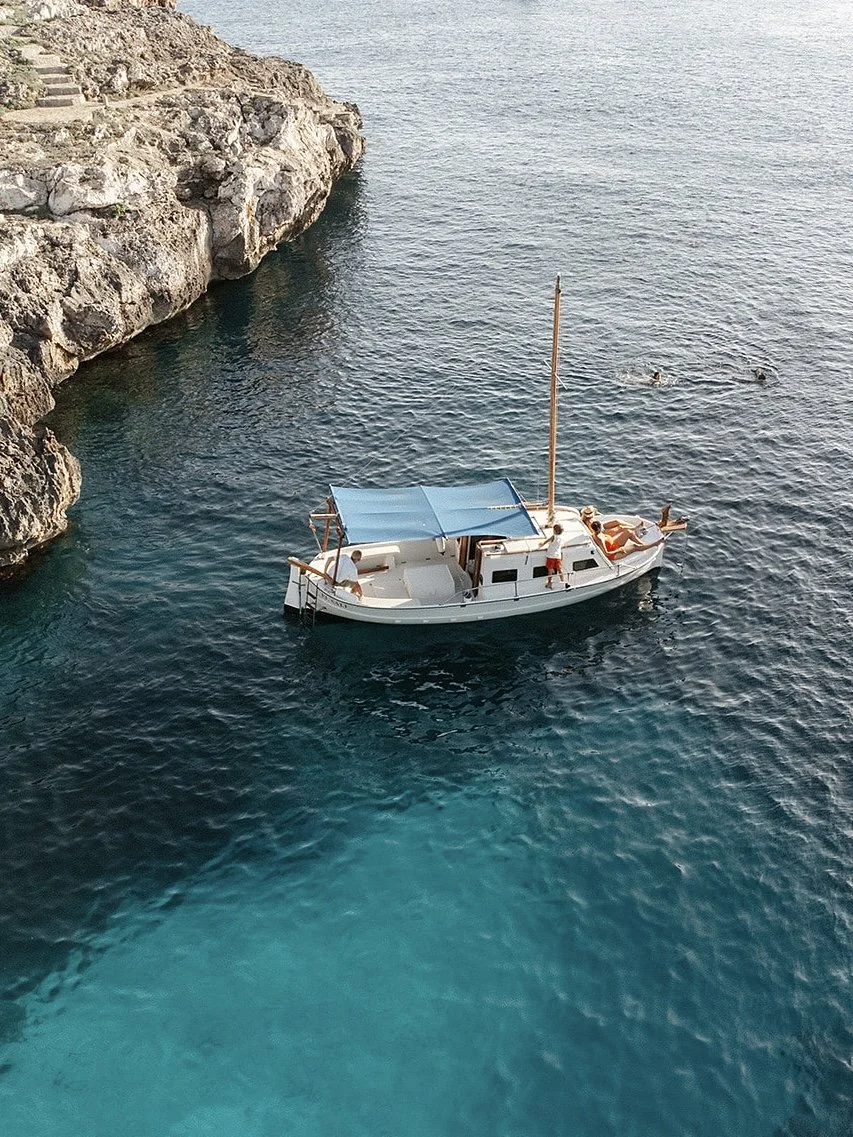
The most common mistake visitors make is trying to reach the best southern Menorca beaches by car after 8:00 AM. By mid-morning, the access roads to Cala Turqueta, Son Saura, and Macarella are often closed by local authorities because the beach parking is at full capacity.
Choosing a private boat trip on El Sali changes the entire perspective of your holiday:
Stability Over Speed: Our boat is a traditional Menorcan Llaut. While modern motorboats bounce on the waves, the Llaut is remarkably stable and comfortable. It is not a heavy wooden vessel, but its traditional design ensures a smooth, steady ride. It is a boat built for relaxing, not for rushing.
The Spacious Layout: Without the clutter of sailing rigging (our mast is for tradition and stability, not for sails), the deck is open and spacious. It provides the perfect platform for a long lunch at anchor or a quiet afternoon of photography.
Direct Access: We don't just look at the coves; we drop anchor in the middle of the turquoise water, allowing you to swim directly from the boat without walking across hot sand or through crowds.
Adapting the Route: Expert Reading of Local Conditions
A major part of local knowledge is understanding that the sea is dynamic. It changes throughout the day, and your comfort depends on more than just the wind. As your skipper, I analyze a combination of factors every morning to decide which coast and which coves will offer the best experience for your private boat trip.
The Tramontana and Synoptic Winds: We pay close attention to the Tramontana, the established north wind coming from France. When it blows, the north coast becomes rugged and wild, making the sheltered white-sand bays of the south the better choice.
Thermal Breezes and Sea States: Even on a clear day with no major wind, differences in temperature between the land and the sea create local thermal breezes. These can shift direction in the afternoon, potentially turning a calm anchorage into a choppy one.
Currents and Swell: Beyond the wind, we monitor the residual swell and local currents. A cove might look beautiful from the shore, but if the underwater conditions are restless, it won't be a comfortable place to swim or enjoy a meal.
By reading these local conditions, I adapt the route in real-time. My goal is to find the quietest water and the most stable anchorages, ensuring that your time on El Sali is spent in total comfort, regardless of what the weather maps might say.
Sunset at the Edge of the World: Pont d’en Gil and Hidden Gems
While most tourists crowd into famous bars to watch the sun go down, the most authentic views are found in the west and northwest, away from the noise.
The Arch of Pont d’en Gil: This is the most iconic spot on the island for a reason. However, from the land, the experience can be frustrating; the path is packed and the parking is often overflowing. By arriving on El Sali, your perspective changes completely. Being at anchor directly in front of the arch, watching the light pass through the rock as the sun dips into the Mediterranean, makes you feel truly privileged. It is a moment of absolute calm, far from the crowds on the cliffs.
Cala Morell: Located further north, this is one of my personal favorite spots. It is much less famous than Pont d’en Gil or the Cavalleria lighthouse, making it a spectacular place to enjoy the late-day light in peace. Parking is slightly easier in the residential areas, but the real magic is the quiet atmosphere. It is the perfect alternative for those looking to soak in the island’s serenity away from the typical tourist hubs.
Algaiarens and the "Punta Rotja": For the more adventurous, the bay of Algaiarens offers a stunning wild setting. If you are willing to follow a small, steep path, you can hike up to the Punta Rotja (Red Point). This spot is a geological masterpiece, offering a striking contrast of colors at twilight. It is a view that must be earned, but the reward is one of the most unique landscapes in Menorca.
The Skipper’s Secret: A Sanctuary of Light
Beyond the famous arches and the red cliffs of the north, there is one place I rarely mention in writing. It is a spot jealously guarded by those of us who navigate these waters daily—a small, hidden sanctuary only accessible from the sea.
As the afternoon begins to lean toward evening, the sun reaches a specific angle where it aligns perfectly with the mouth of a hidden sea cave. Inside, the floor is composed of pure, fine white sand. When the light enters, the entire cave illuminates from the bottom up, turning the water an electric shade of blue that feels almost bioluminescent.
It is a geological masterpiece that makes Menorca truly unique. There are no signs leading here, and no paths from the land. Being at anchor in this silent, glowing chamber just before the sunset is a reminder of why I do this job. It is a moment of pure connection to the island that remains untouched by the summer rush.
Watching the light shift inside these hidden coastal gems is an experience that words can only partially capture. If you would like to witness the magic of the golden hour from the water, you can explore our sunset excursions here, where we seek out the most peaceful spots to end the day.
Hiking the Camí de Cavalls: Finding the Right Path
Hiking is beautiful but requires timing. Avoid the 10:00 AM to 6:00 PM window to escape the intense heat, which can be very unpleasant for children.
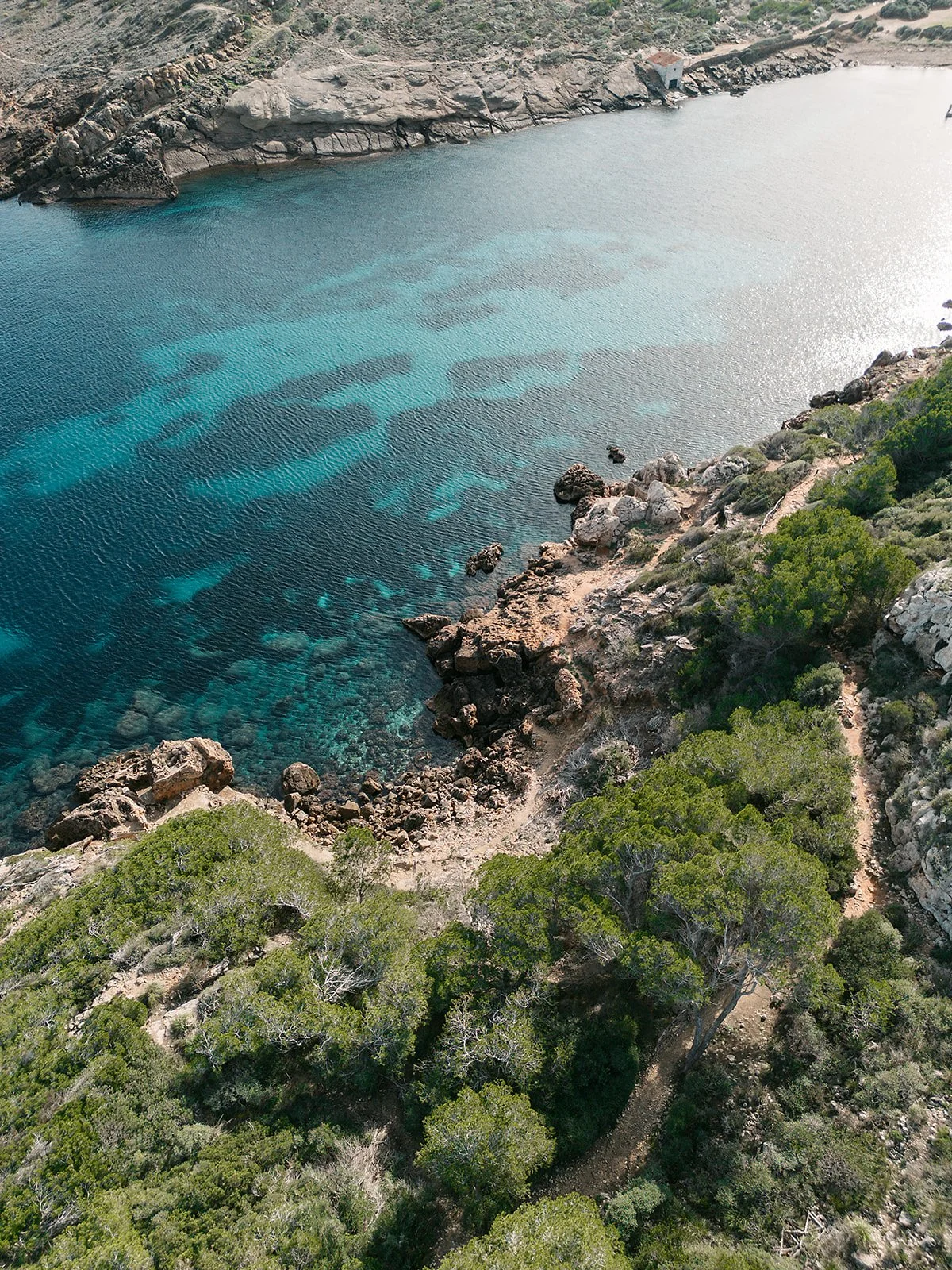
The Rugged North: The stretch from Cala Morell to Fontanelles offers an authentic experience. Unlike the white limestone of the south, this landscape is defined by vibrant red sandstones and ancient clays. Along this path, you’ll find incredible swimming spots with almost no one around, places ( as seen in the picture) that reveal a side of Menorca far removed from the white-sand clichés.
The Shaded South: The forest path from Cala Galdana to Trebalúger (passing through Cala Mitjana) provides relief from the sun under the pines.
Safety: Many paths involve steep, rocky descents and are difficult for families. The boat is the best way to see these areas comfortably.
Taste the Terroir: Menorcan Vineyards and Agriculture
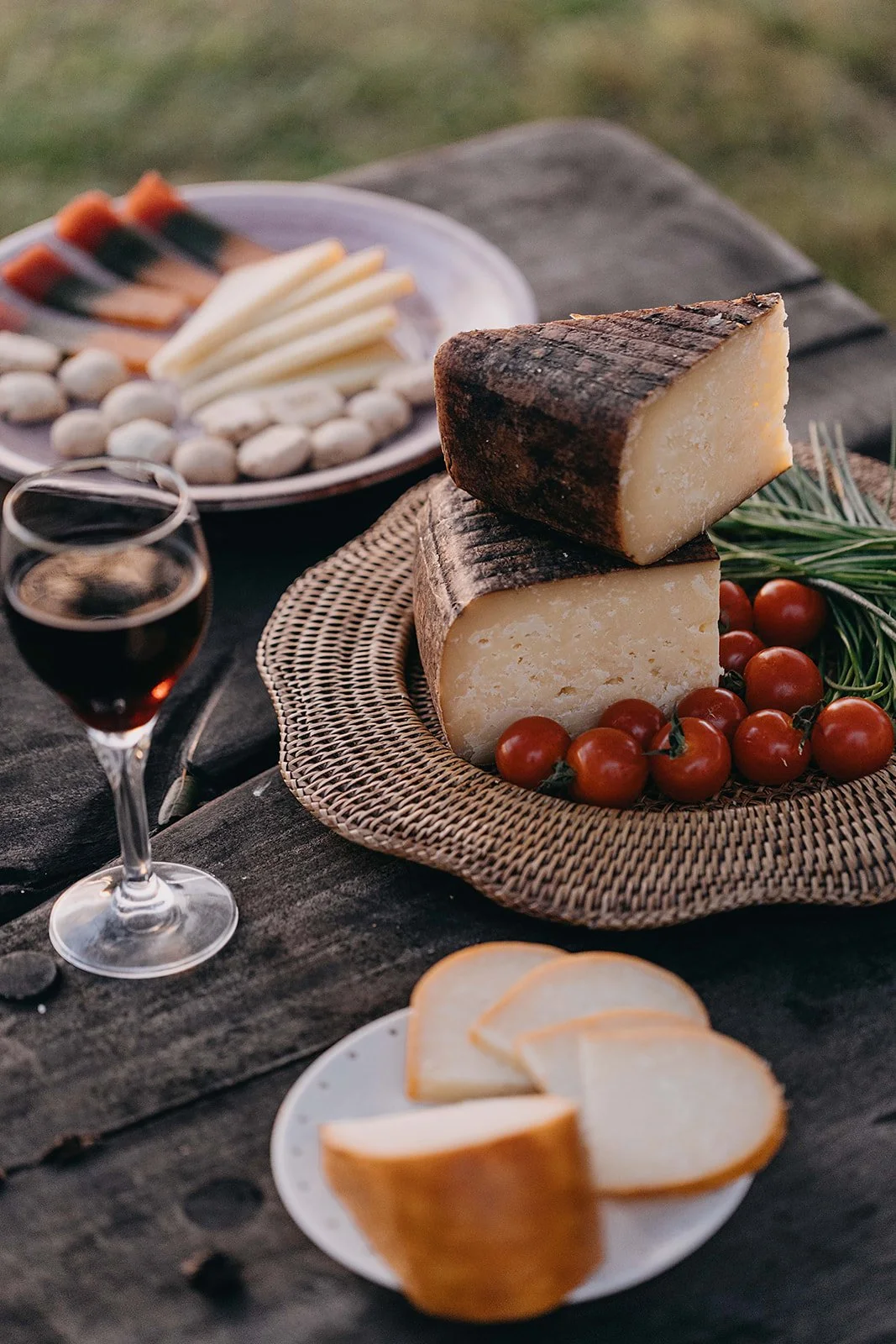
While Menorca is famous for its coast, its heart is deeply rooted in the land. The island’s UNESCO Biosphere Reserve status is not just a title; it is reflected in a living inland landscape where agriculture and nature exist in balance. After a morning spent on the water, a late afternoon visit to a local vineyard in the interior offers a grounded, sensory contrast to the salt and sea.
Menorca’s wine history dates back to the 13th century, and today, a new generation of winemakers is reviving ancient traditions. The island’s rocky, limestone-rich soil and the salt-laden breeze give the grapes a character you won't find anywhere else in the Mediterranean.
Authentic Flavors and Local Pairings
A true authentic experience involves more than just a glass of wine. It is about the pairing. Tasting local vintages alongside Mahón-Menorca cheese, a product with a protected designation of origin is an essential part of Menorcan gastronomy. The sharp, salty profile of the aged cheese perfectly balances the crisp acidity of the island’s white wines, such as those made from the Malvasía grape. By visiting these estates, you are directly supporting the local producers who maintain the island’s traditional stone-walled fields and rural heritage.
Recommended Vineyards for Guided Tours and Tastings
If you are looking to explore the island's wine culture in depth, these two estates offer excellent guided visits:
Bodegas Binifadet: Located near the village of Sant Lluís, Binifadet is one of the most established names on the island. They offer comprehensive guided tours through the vines and the winery, explaining their unique production methods. Their terrace, surrounded by vineyards, is a perfect spot for a guided tasting of their diverse range of wines and goat cheeses.
Binitord Bodega: Situated in a beautiful area near Ciutadella, Binitord is a smaller, family-run estate that prioritizes environmental respect and local tradition. A visit here feels personal and grounded, offering a chance to see how sustainable viticulture works on the island. Their guided tours walk you through the entire process, ending with a tasting that highlights the mineral qualities of the Menorcan terroir.
Spending an evening among the vines, far from the coastal breeze, allows you to appreciate the "other" Menorca—the one that has sustained the island's people for centuries.
About Your Skipper
As a professional skipper at the helm of El Sali, I spend every day during the high season navigating these waters and sharing the island's beauty with my guests. But my work doesn't stop when the summer ends. Throughout the winter, I continue to explore, scouting the coastline and searching for those untouched, quiet corners to share with you when the sun returns. My goal is to be a bridge between the traveler and the Mediterranean, focusing on "Slow Travel" and revealing the hidden gems that make Menorca’s soul truly unique.
If you feel the call of the sea and want to discover these hidden corners of Menorca at a slower, more meaningful pace, I would be happy to welcome you aboard El Sali. Whether you are looking for the perfect sunset at Pont d’en Gil or a quiet morning in the red-rock coves of the north, we can tailor a day that fits your rhythm.